| Regional Workshop on the Harmonization of Monetary Policy Frameworks 21-23 November 2011 |
|
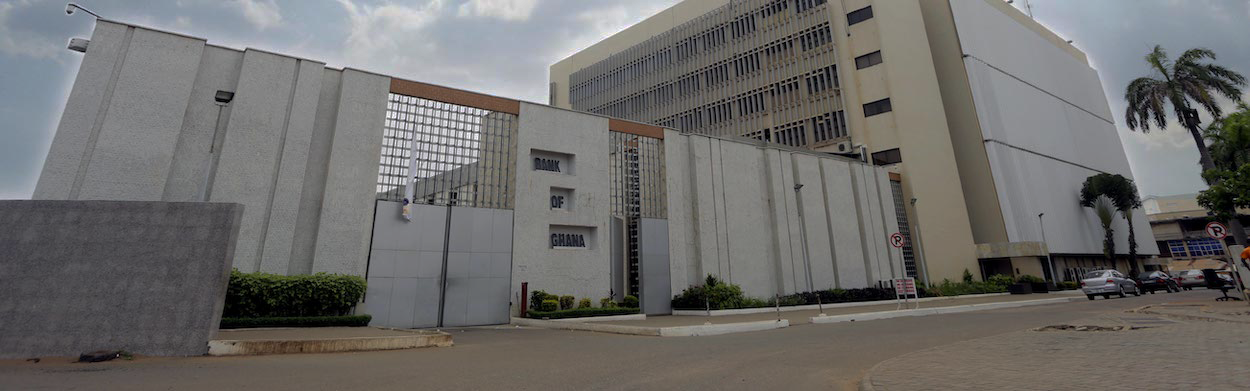
The West African Monetary Agency (WAMA) is organising a workshop on the harmonisation of monetary policy frameworks in ECOWAS from 21-23 November 2011 at the Labadi Beach Hotel, in collaboration with Bank of Ghana. BANK OF GHANA
PRESS RELEASE
Regional Workshop on the Harmonization of Monetary Policy Frameworks 21-23 November 2011
The West African Monetary Agency (WAMA) is organising a workshop on the harmonisation of monetary policy frameworks in ECOWAS from 21-23 November 2011 at the Labadi Beach Hotel, in collaboration with Bank of Ghana. This is in response to a recent decision of the Committee of The main objective of this workshop is to discuss how to achieve harmonisation of monetary policy rules, practices and procedures with a view to developing a common monetary policy framework for the proposed ECOWAS Monetary Union. Monetary policy harmonisation is critical under the ECOWAS Monetary Cooperation Programme as it could facilitate the convergence process. In addition, it would also help prevent the adverse spill-over effects arising from unilateral/uncoordinated policy choices, thus facilitating the ultimate adoption of a common monetary policy for the ECOWAS Sub-region. Essentially, the workshop has the following specific objectives:
i. Review the monetary policy frameworks of Member Central Banks, including an assessment of their liquidity management techniques as well as the determination of the scope and periodicity of their foreign exchange interventions to achieve a given set of objectives;
ii. Propose an appropriate monetary policy framework for
iii. Identify steps towards the adoption of the proposed monetary policy framework
Across the ECOWAS Sub-region, strategic and operational imperatives of monetary policy frameworks of member central banks differ. While some of the eight central banks operate a monetary targeting framework, others target either the exchange rate or inflation. There are also variations in exchange rate regimes from fixed to flexible and a variant of the two regimes (managed floating). With the exception of one country that maintains a dual currency regime, all the other countries have a unitary currency regime. There are also other differences in the area of Central Bank independence, management structure, primary monetary policy objective and practices.
The workshop brings together a number of experts from important institutions such as the Bank of France, African Development Bank, International Monetary Fund, ECOWAS Commission, West African Monetary Institute and other regional bodies. The workshop therefore stands to benefit from the wealth of experience of a critical mass of eminent personalities and will no doubt offer important lessons in respect of monetary policy. It is expected that the framework would take into consideration the specific peculiarities within the region, including the divergent exchange rate policies, existing policy practices as well as other socio-cultural concerns. |
- ► 2013 (9)
- ► 2012 (37)
- ► 2011 (7)
- ► 2010 (3)
- ► 2008 (1)